
Storm Damage Roof Repair: What Grant Homeowners Should Do Before Winter
Hidden damage is the real threat after a storm, not the shingles you can already see are missing. Hail bruises shingles and cracks the layers underneath without leaving a mark you would notice from your driveway. And wind breaks the seals that hold your shingles flat. Then the first heavy autumn rain finds the opening.
If you live in Grant, Fremont, Newaygo, or anywhere nearby, the next few weeks matter. Mild days are running out. Rain, freeze-thaw cycles, and the first lake-effect snow are all on the way. So if a storm passed over your home this year, now is the time to look closer. RAO Roofing has helped West Michigan homeowners catch exactly this kind of damage before it became a ceiling repair.
Why Storm Damage Is So Easy to Miss
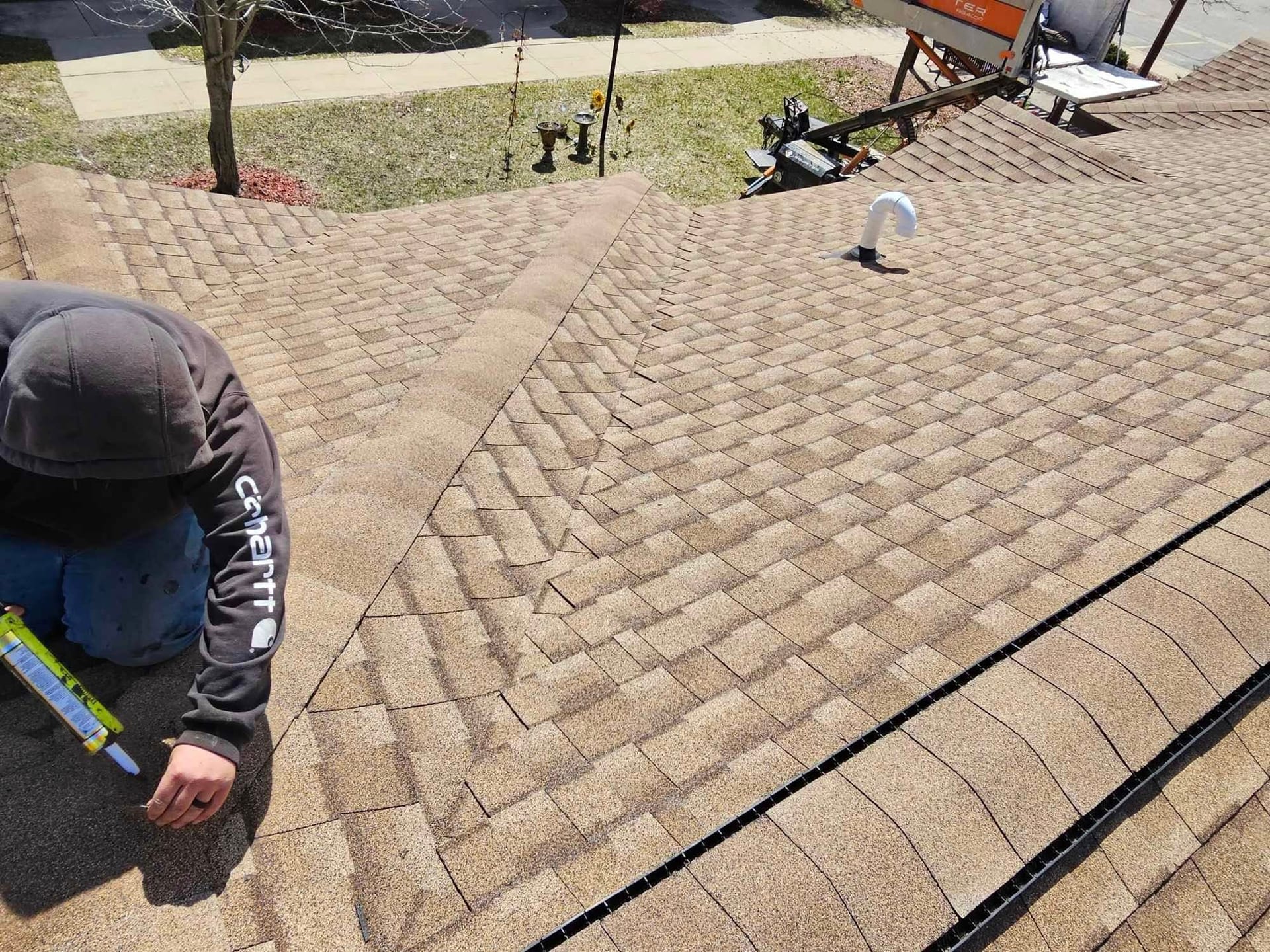
Storm damage hides because most of it happens above your line of sight. A look from the ground shows you missing shingles. It will not show you a cracked mat, a lifted seal, or a bent piece of flashing.
Here is what usually goes wrong:
- Hail Bruising: Hail rarely punches holes. Instead, it bruises the asphalt and cracks the fiberglass mat underneath.
- Granule Loss: Hail knocks the protective granules loose, which speeds up aging and lets moisture and sunlight reach the shingle itself.
- Broken Seals: Strong gusts pull apart the adhesive strips between shingles, so wind and water can get underneath.
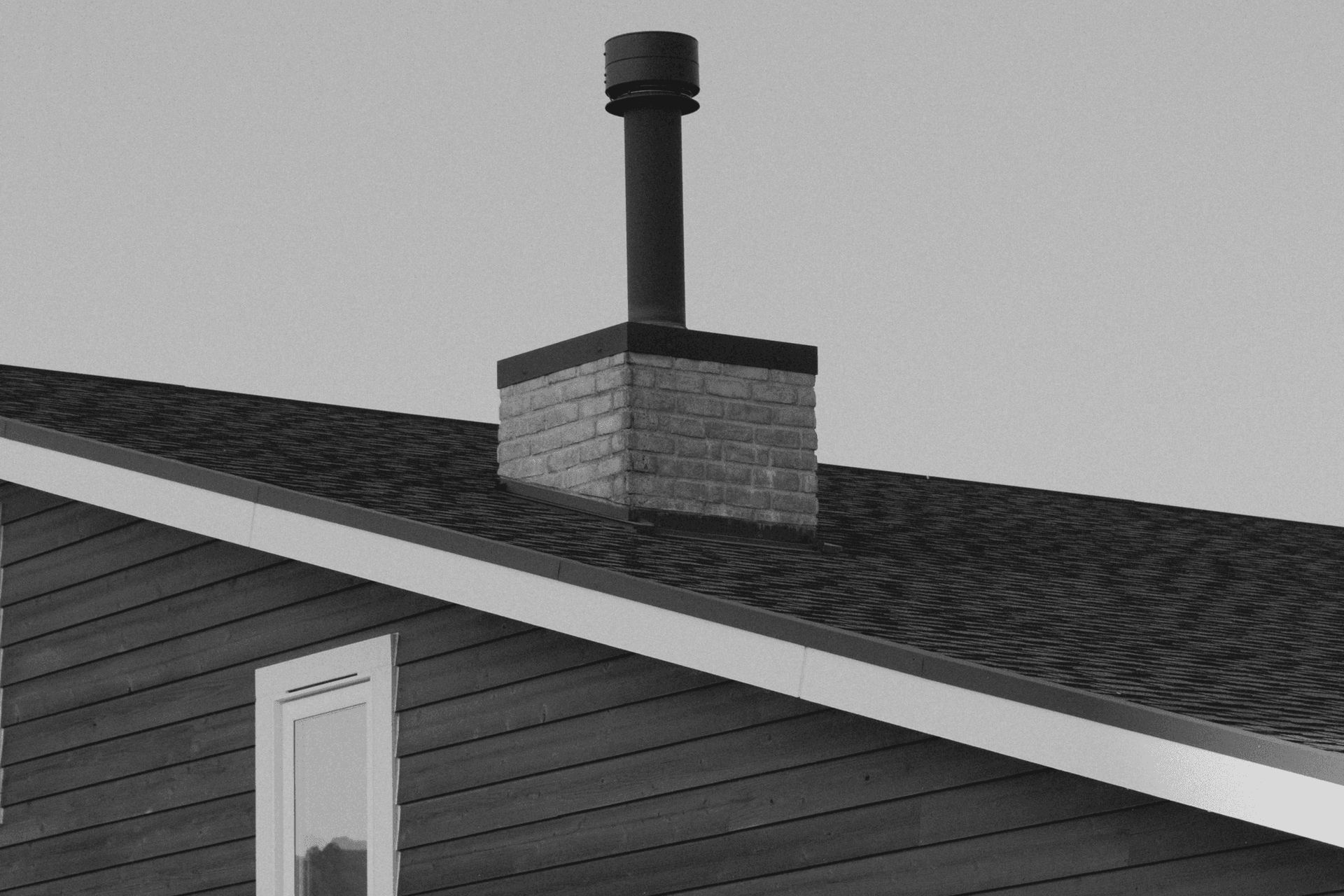
- Shifted Flashing: Wind moves the metal around chimneys, skylights, and vents, giving water a direct path inside.
This is not a rare problem, either. Hail alone accounts for as much as 80% of severe storm claims in a given year, and roofs carry an estimated 70% to 90% of all insured residential catastrophe losses, according to the Insurance Information Institute’s storm risk research.
Our guide on what to do right after a hailstorm walks you through the first steps, and prompt roof repair work keeps small openings from spreading.
How Freeze-Thaw Turns Small Damage Into Big Damage
Freeze-thaw cycles widen storm damage all winter long, which is why a fall repair costs far less than a spring one. Here is how the cycle works:
- Water seeps into a crack or slips under a lifted shingle.
- Temperatures drop, and that trapped water freezes and expands, forcing the gap wider.
- It thaws, so even more water moves in.
- The cycle repeats every time the weather swings.
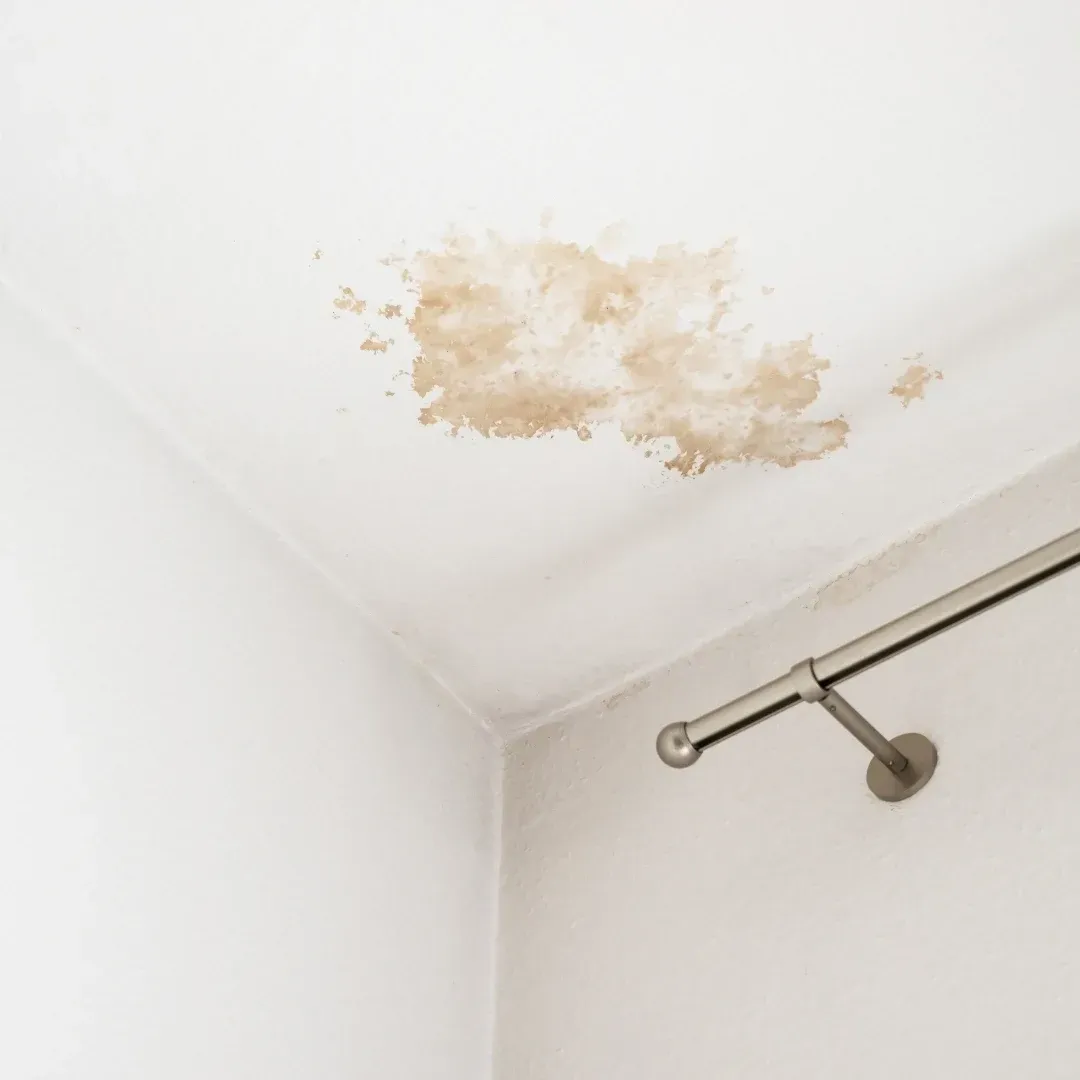
By March, a hairline crack can become a soft roof deck. Rotted sheathing, active leaks, and mold usually follow. Trapped heat and moisture in your attic make things worse, too, which is why ice dams tend to form along the same roof edges winter after winter.
What a Post-Storm Inspection Actually Covers
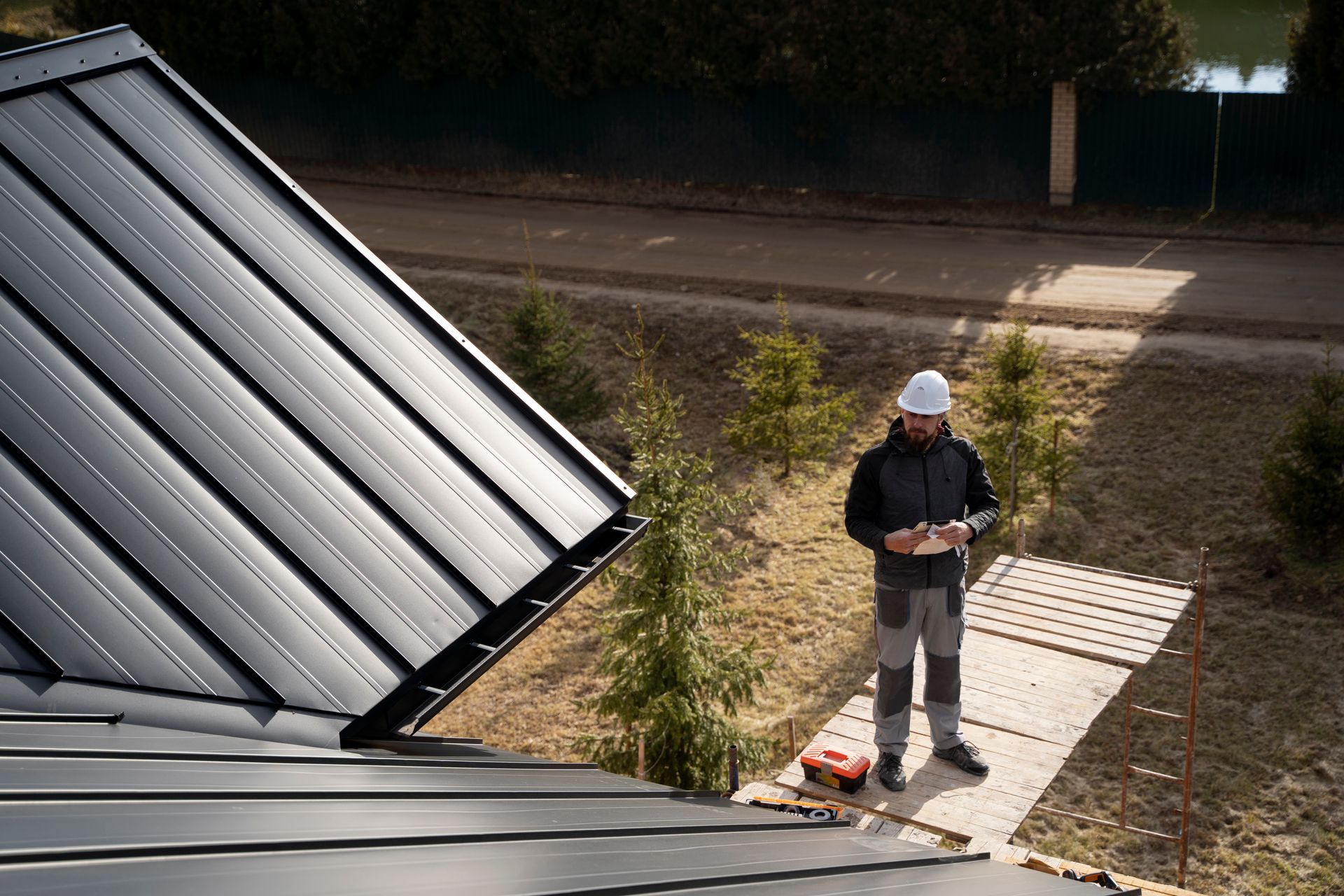
A professional inspection checks the parts of your roof you cannot see from the ground, then documents what it finds. Here is what we look at:
| Area | What We’re Looking For |
|---|---|
| Shingle surface | Bruising, granule loss, cracked mats, lifted edges |
| Flashing | Broken seals around chimneys, vents, skylights, wall joints |
| Ridge and hip caps | Wind lift on the most exposed part of your roof |
| Gutters and downspouts | Dents from hail, plus granules washed off the shingles |
| Soffit and fascia | Stains from wind-driven rain |
| Attic | Moisture marks, daylight through the deck, damp insulation |
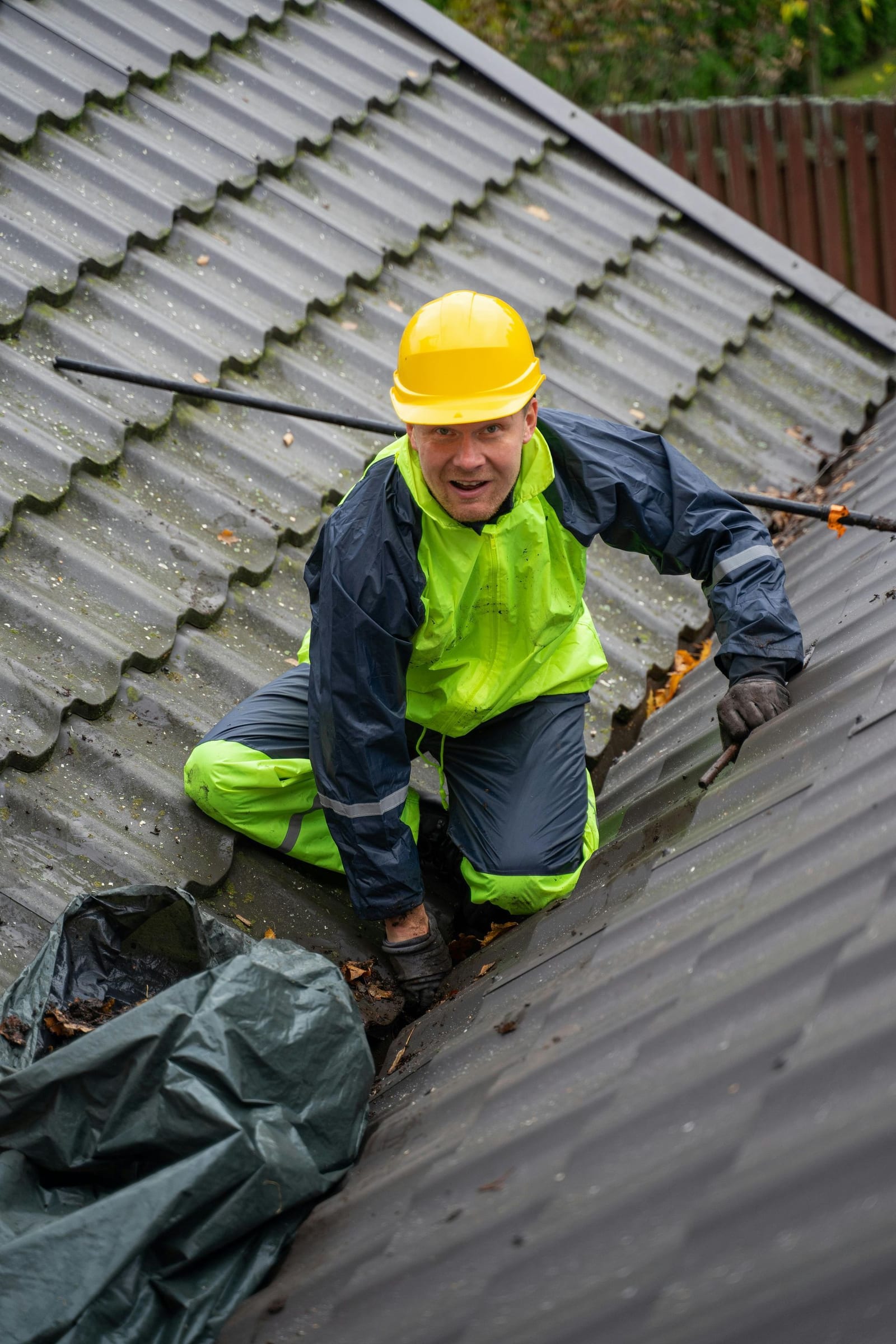
Your gutters are often the giveaway. If you find a pile of sandy granules in the downspout, your shingles took a beating. Dents or sagging along the gutter line usually mean the roof above got hit too.
What This Means for Your Insurance Claim
Document the damage early because insurers push back harder the longer you wait. Wind and hail are the most common homeowners claims in the country, with about 1 in 35 insured homes filing one each year, based on Insurance Information Institute claims data. Most standard policies cover this damage. However, they also expect you to report it within a set window.
A good inspection gives your claim three things:
- Dated photos of the damage
- A written assessment of what failed and why
- A clear link between the storm and your roof’s condition
Without that record, an adjuster can call real storm damage normal wear and tear. Our inspections and insurance work include that documentation, and we will work directly with your adjuster so nothing legitimate gets left off the claim.
Temporary Roof Protection When Damage Is Severe
If your roof is open to the weather, get temporary protection on it now and schedule the permanent repair after. Some storms leave a roof that simply cannot wait for an appointment.
In those cases, we install temporary covering to stop water from getting in while we order materials and line up a crew. It is not a long-term fix. Still, it keeps a bad week from turning into a gutted ceiling. If you have an active leak right now, our steps for handling an emergency roof repair explain what to do before we arrive.
Why Fall 2026 Is the Right Time to Schedule
Book now because roofing crews across Newaygo County fill up as soon as the weather turns. A few reasons to move this month:
- Appointment slots are still reasonable in September and October.
- Exterior work goes faster and safer in mild, dry weather.
- Repairs finished before the first hard freeze stop the freeze-thaw cycle before it ever starts.
- Every week you wait is another week of moisture working deeper into your roof.
An inspection costs a fraction of mold remediation, a new roof deck, or interior ceiling work. Call (231) 282-1932 to get on the calendar.
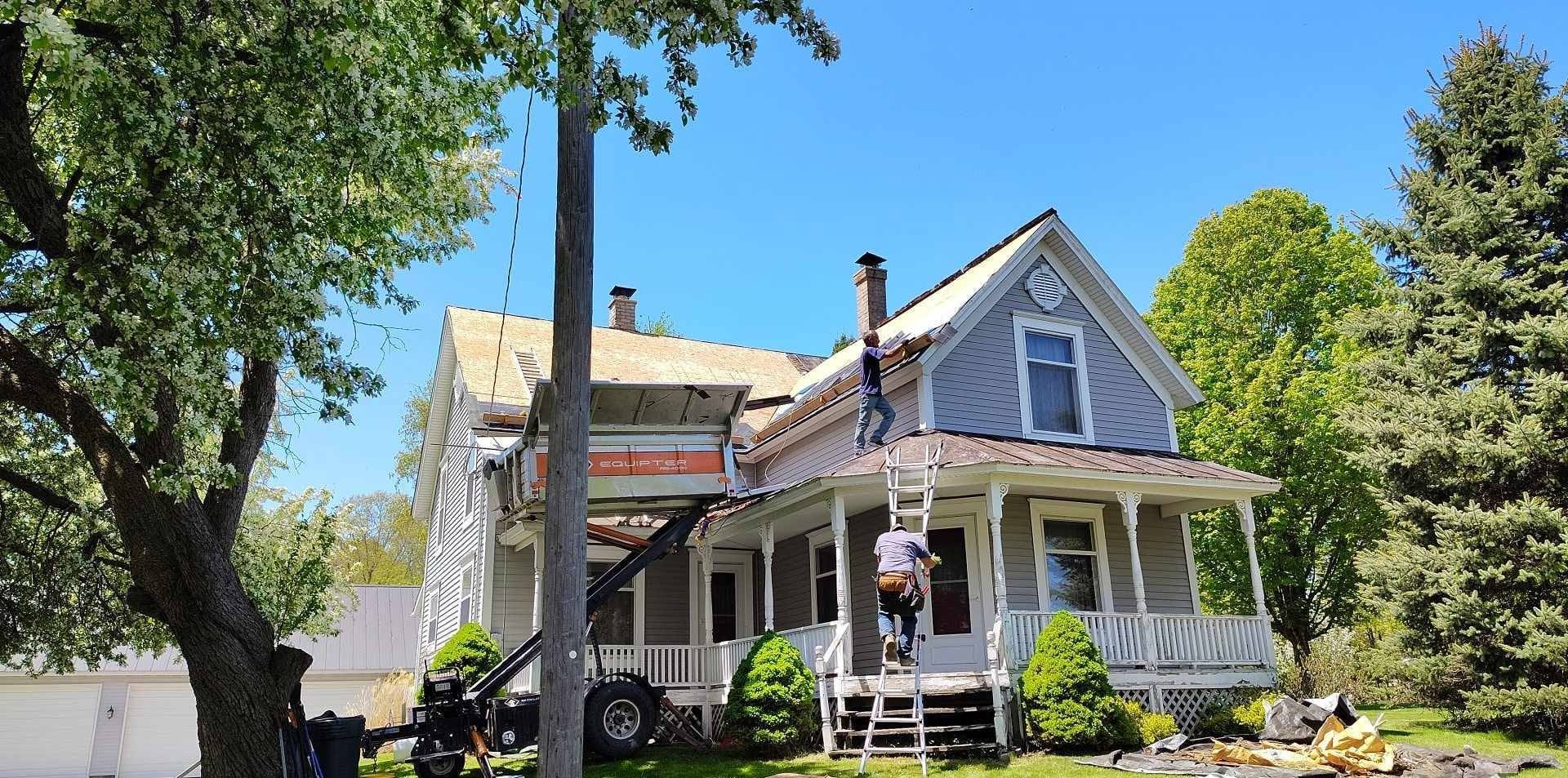
FAQs About Storm Damage Roof Repair
How do I know if my roof has storm damage when I cannot see anything from the ground?
You usually cannot, and that is the problem. Ground-level checks only reveal obvious damage like missing shingles. Hail bruising, failed seals, and shifted flashing all need a close-up look from the roof itself.
Is storm damage roof repair covered by homeowners insurance?
Most standard policies cover hail, wind, and lightning damage. Your payout depends on your policy terms, your deductible, and how quickly you file. A documented inspection strengthens your position considerably.
How soon after a storm should I get my roof inspected?
Within a few weeks, ideally. Waiting lets moisture travel further, complicates your claim timeline, and pushes you into peak scheduling season.
Can I wait until spring to repair damage found in the fall?
That is a risky bet in West Michigan. Damage that is minor in October can become a structural problem by March.
Does RAO Roofing offer temporary protection if my roof is badly damaged?
Yes. We can cover a severely damaged roof right away to stop water intrusion while we arrange the permanent repair.
Schedule Your Storm Damage Inspection Today
Do not head into winter guessing about your roof. A single inspection tells you whether this year’s storms left anything behind, and it gives you the documentation you need if a claim turns out to be worth filing.
Schedule a storm damage inspection with RAO Roofing. Call (231) 282-1932 and get a clear picture of where your roof stands before the first freeze.
SHARE THIS ARTICLE
Recent Posts